A small online retro. A shared board filling with notes, then slowing. Time still on the clock, and a room that had already finished. The whole intervention was four words: shall we move on? Facilitation is fieldcraft at close range…
Read More
noun
the action or process of making sense of or giving meaning to something, especially new developments and experiences.
"the relationship between identity and sense-making may be more complex"
I write to make sense of complex ideas at the intersection of operating models, change, and AI - I’m especially interested in what happens when we as humans have to change, decide and work together inside these complex systems. I love to problem-solve, connect dots, and explore what I don't yet fully understand.
My aim is to share thinking that helps others navigate business, leadership, and change. I'm a lifelong learner who thrives on thoughtful discussion and honest debate. If something here resonates, please do reach out and connect with me on LinkedIn.
A small online retro. A shared board filling with notes, then slowing. Time still on the clock, and a room that had already finished. The whole intervention was four words: shall we move on? Facilitation is fieldcraft at close range…
Read MoreDesign is often treated as the polish at the end of the work, or the department you call when something needs to look better. But underneath, design is a discipline of deciding: what something is for, who it serves, what it is answerable to, and what happens after it is built.
Read MoreMost talks inform. A few move the room. What separates them sits underneath the delivery, in the architecture: a shape built backwards from one change you want in the people in front of you. This piece looks at what actually moves a room, why …
Read MoreMoral beauty is not a concept confined to philosophy or the arts. It shows up in the texture of decisions, in the quality of attention people bring to their work, and in the quiet dignity of those who do the right thing when no one is watching.
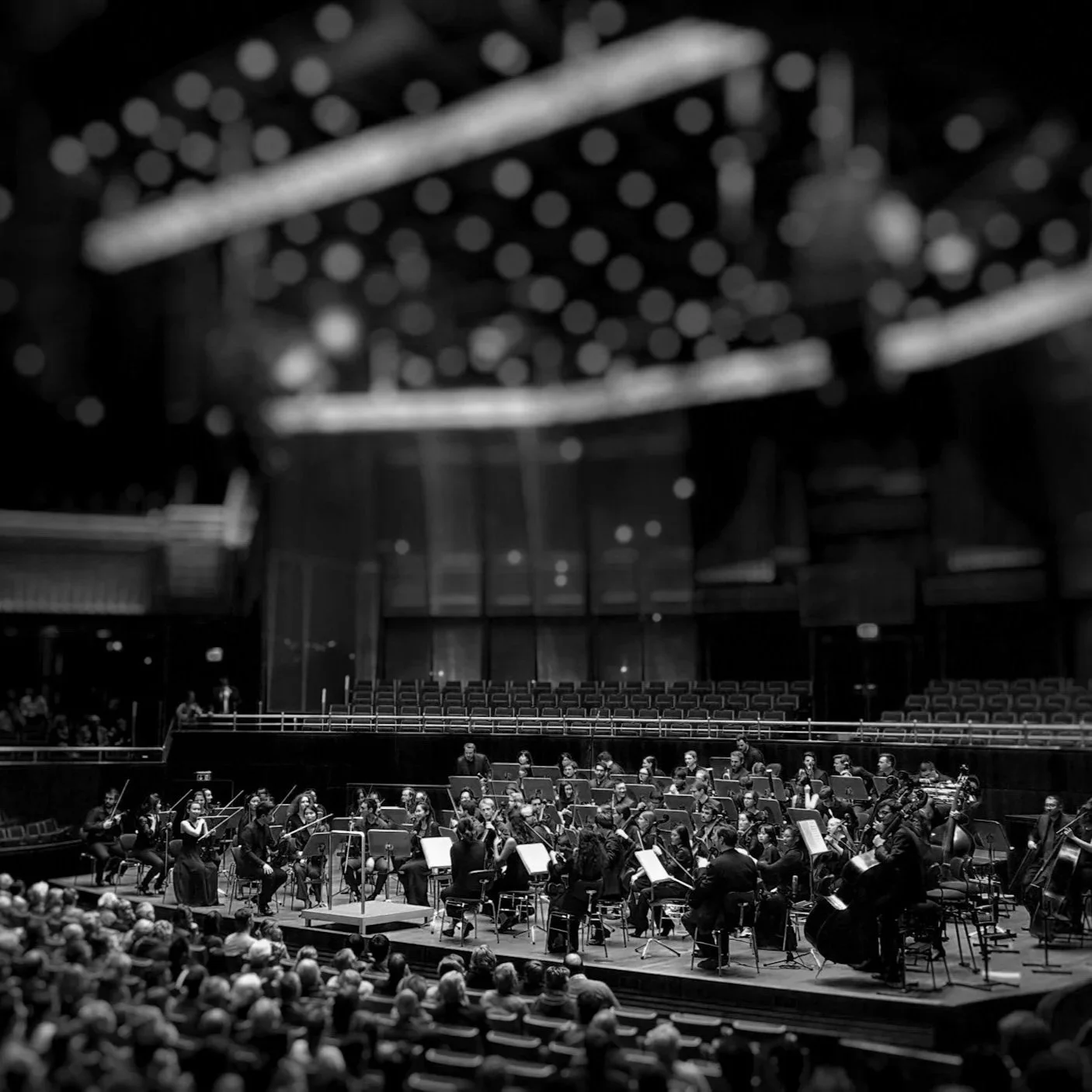
Read MoreIn complex work, a moment arrives when a leader can no longer be the best person in the room at the thing being done, and the job quietly becomes something else. Orchestration is the name for that something else. It is the craft of …
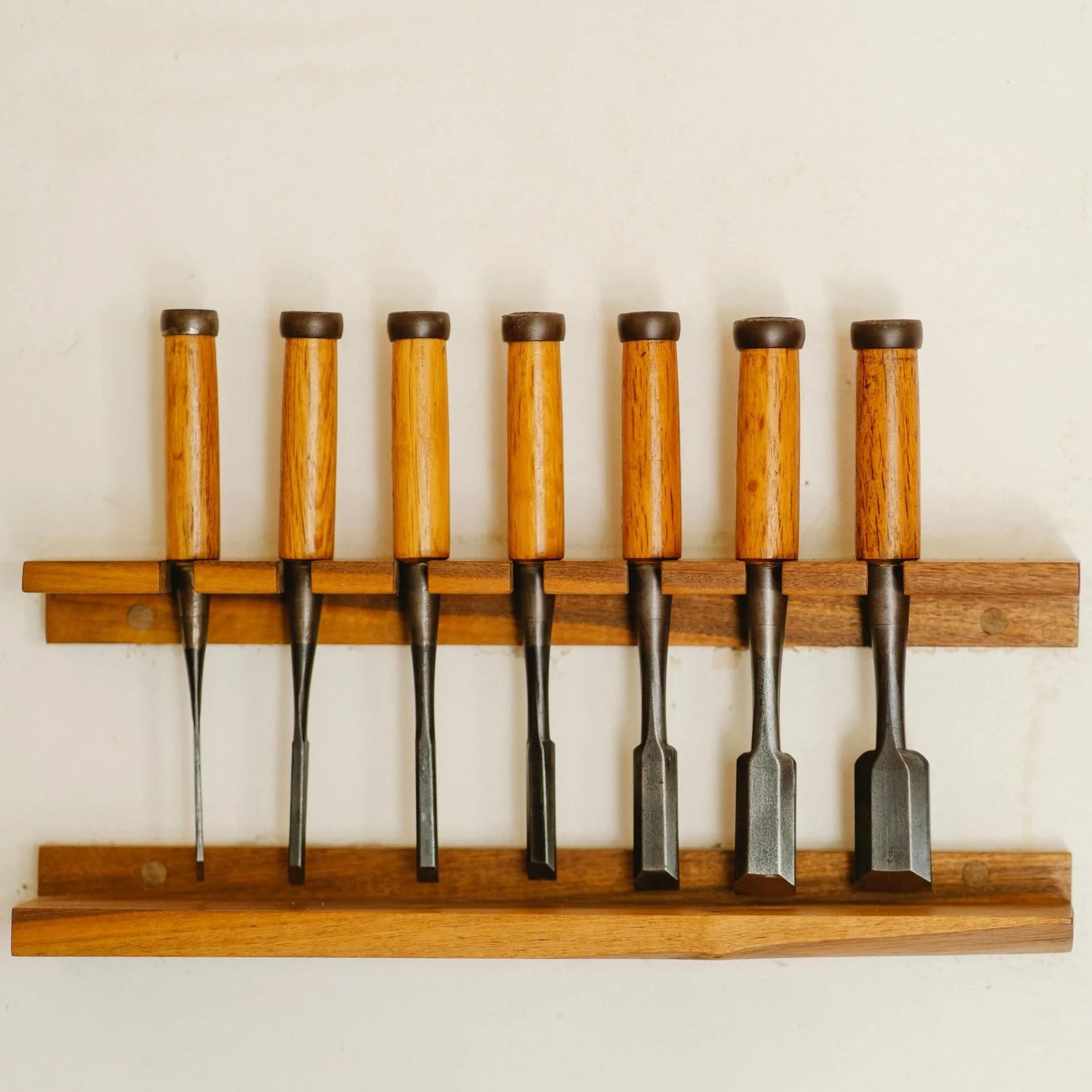
Read MoreIn complex, fast-moving environments, there is a quiet but widening gap between work that is delivered and work that is genuinely cared for. Craftsmanship names that gap, and offers a way of working that closes it…
Read MoreKnowing that long-horizon thinking matters and actually practising it are different things. The pressure towards the urgent is real, but there are practical ways to widen the frame of a decision without paralysing it …
Read MoreIn fast-moving environments, urgency dominates. Decisions are compressed, metrics are immediate, and the pressure to deliver now can eclipse what comes next. Yet many of the most consequential challenges …
Read MoreYou've drawn the diagram. Mapped the stakeholders. Identified the feedback loops. Everyone in the room nods - yes, this is why the system behaves the way it does. The insight feels powerful, even liberating. Then …
Read MoreMost organisations redraw org charts and call it transformation. The smarter ones redesign their operating model … by using five design levers leaders can intentionally tune that system so value flows faster, with speed, clarity, and coherence…
Read MoreEvery CEO can describe their strategy in three slides. Most can sketch their org chart on a whiteboard. But ask them to explain their operating model - the system that actually turns strategy into results - and you’ll get ...
Read MoreStorytelling is humanity’s oldest – and still most potent – communication tool. From prehistoric campfires to today’s digital platforms, narratives tap into neural coupling, mirror neurons and hormone responses ...
Read MoreFieldcraft is the embodied, relational, and often invisible skillset that experienced change leaders draw on to work with complexity, navigate power dynamics, and adapt in real time ...
Read MoreBeauty and awe are powerful leadership forces that sharpen thinking, deepen trust, and elevate workplace culture. They foster creativity, strengthen ethical clarity ...
Read MoreArtificial Intelligence (AI) is reshaping how organisations operate, compete, and grow — not just through technology, but by redefining strategy, leadership, and culture ...
Read MoreFar beyond gathering information, thoughtful questioning reframes challenges, surfaces assumptions, deepens understanding, and unlocks creativity. It’s a mindset and ...
Read MoreArtificial intelligence is transforming the world, revolutionising industries, and reshaping the way we work, live, and connect. From machine learning and natural language processing to generative AI and computer vision…
Read MoreScientific thinking is a powerful approach to understanding the world through curiosity, observation, and systematic inquiry. It follows a structured process of gathering evidence, testing ideas, and refining knowledge based on results…
Read More